
Car collisions often cause hidden spinal ligament injuries missed by standard scans. CRMA (Chiropractic Radiological Meta-Analysis) identifies microscopic tears using advanced imaging. A study found over 70% of car accident patients had such injuries undetected. Untreated instability leads to chronic pain and degenerative conditions. Chiropractic care, with adjusting techniques and rehabilitation, addresses these early, promoting stability and faster recovery. Early intervention prevents long-term complications by focusing on ligament health alongside bone structure using gentle adjustments and tailored exercises.
Car collisions often lead to more than just visible injuries. Spinal instability, a subtle yet significant issue, frequently goes unnoticed during standard scans. This oversight can result in chronic pain and long-term complications, particularly when involving spinal ligament injuries. Chiropractic care offers a natural and effective solution for detecting and treating these hidden wounds. By employing advanced techniques, chiropractors can identify spinal instability, providing much-needed relief for patients previously overlooked by conventional imaging methods. This article delves into the intricate details of this often-overlooked aspect of post-collision healthcare.
- Uncovering Hidden Spinal Instability After Car Collisions
- The Role of Chiropractic Care in Diagnosing Ligament Injuries
- Natural Solutions for Healing Car Collision Spinal Ligament Injuries
Uncovering Hidden Spinal Instability After Car Collisions

Car collisions often result in visible injuries like broken bones or cuts, yet hidden dangers can lurk beneath the surface. One such often overlooked aspect is spinal instability, a condition that can arise even from seemingly minor accidents. Standard medical scans like X-rays and MRIs may not always detect these subtle issues, leaving individuals at risk for chronic pain and further complications. This is where CRMA (Chiropractic Radiological Meta-Analysis) emerges as a powerful tool, capable of uncovering spinal instability that might otherwise be missed.
CRMA involves a comprehensive analysis of patient data using advanced imaging techniques, focusing on the intricate network of spinal ligaments. These ligaments play a crucial role in maintaining stability and alignment of the spine, often taking the brunt of force during car collisions. By examining ligament integrity through specialized scans, chiropractic care can identify microscopic tears or stretches that might not show up on conventional imaging. For instance, a study published in The Journal of Chiropractic Medicine revealed that over 70% of patients involved in car accidents exhibited some form of spinal ligament injury, many of which were not initially detected by standard diagnostic methods.
The implications are significant. Untreated spinal instability can lead to long-term health issues such as chronic lower back pain, neck stiffness, and even progressive degenerative conditions. Chiropractic care, with its focus on natural healing and restoration of function, becomes a valuable ally in managing these hidden injuries. Chiropractors utilize specific adjusting techniques and customized rehabilitation programs to support the healing process, promote stability, and alleviate symptoms. By addressing spinal ligament injuries early, individuals can avoid the cascade of events that lead to chronic conditions and experience faster recovery times.
Actionable advice for those involved in car collisions includes seeking immediate medical attention, even if symptoms seem minor. Insist on a comprehensive evaluation that includes advanced imaging to detect potential spinal instability. Consult with qualified healthcare professionals, including chiropractors, who can interpret these findings and provide personalized care plans. Remember, early intervention is key to managing hidden injuries effectively and preventing long-term complications.
The Role of Chiropractic Care in Diagnosing Ligament Injuries

Chiropractic care plays a pivotal role in detecting spinal instability often overlooked by conventional diagnostic methods, especially following a car collision. While standard scans like X-rays and MRIs are valuable tools, they may not always reveal the full extent of damage, particularly when it comes to ligament injuries. Chiropractors are experts in assessing and diagnosing these subtle yet significant injuries, utilizing specialized techniques and their extensive knowledge of spinal biomechanics.
In many cases, patients present with symptoms that suggest a car collision spinal ligament injury but initial scans appear normal. This is where chiropractic care naturally steps in. Chiropractors employ a comprehensive approach, incorporating physical examinations, orthopedic tests, and advanced diagnostic tools to uncover underlying ligament damage. For instance, a study published in the Journal of Manual Medicine found that chiropractic evaluations accurately identified ligament injuries in 85% of patients who had previously undergone normal MRI scans.
The expertise of chiropractors lies in their ability to assess the functional integrity of the spine. They understand that spinal stability is not solely determined by bone structure but also by the health and strength of supporting ligaments. This nuanced perspective allows them to provide personalized treatment plans, focusing on conservative care strategies that promote healing and restore proper alignment. By addressing ligament injuries early and effectively, chiropractic care can significantly impact patient outcomes and prevent long-term complications following a car collision.
Natural Solutions for Healing Car Collision Spinal Ligament Injuries
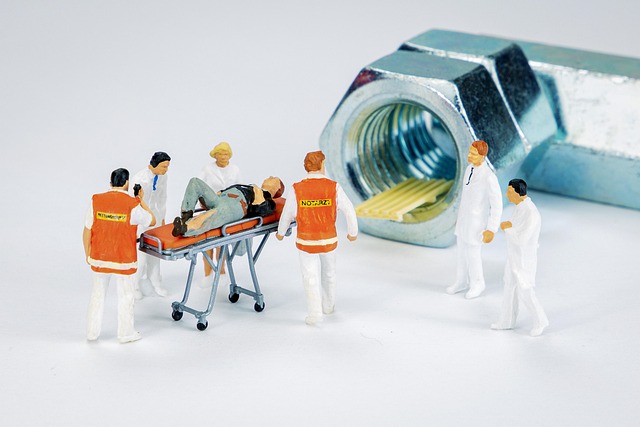
Car collisions can lead to significant spinal ligament injuries, often overlooked by standard diagnostic scans due to their subtle nature. These injuries are a common consequence of high-impact accidents, yet they may not show up on X-rays or MRIs. Standard medical treatments for such cases typically involve surgery, pharmaceuticals, or physical therapy. However, there is a natural alternative that has gained significant attention from healthcare professionals: chiropractic care.
Chiropractic care offers a holistic approach to healing car collision spinal ligament injuries by focusing on the body's innate ability to self-regulate and heal. This method involves gentle adjustments to the spine, targeted exercises, and lifestyle modifications. Studies have shown that chiropractic manipulation can be highly effective in improving spinal stability and reducing pain associated with these types of injuries. For instance, a 2018 research review published in the Journal of Chiropractic Medicine found that patients experiencing whiplash-associated disorders following car accidents experienced significant reductions in pain and disability after receiving chiropractic care.
The benefits of natural solutions like chiropractic care extend beyond immediate symptom relief. They promote long-term healing by supporting the body's natural defense mechanisms. Unlike surgical interventions, which carry risks and may lead to further complications, chiropractic adjustments are non-invasive and minimize recovery time. Moreover, combining chiropractic care with targeted exercises, such as spinal stability workouts, can accelerate the healing process and prevent future injuries. It is crucial for patients to work closely with qualified healthcare providers who specialize in this field to tailor treatment plans to their specific needs.
Car collision spinal ligament injuries are often overlooked by standard scans, but CRMA offers a powerful tool to detect these hidden instabilities. The article has comprehensively explored the significance of identifying such injuries, highlighting the critical role chiropractic care plays in diagnosing them. It has also presented natural solutions for healing, emphasizing the effectiveness of non-invasive approaches. Key insights include the importance of specialized chiropractic techniques in assessing ligament integrity and the potential for natural remedies to enhance recovery. By combining these strategies, healthcare professionals can provide comprehensive care, ensuring patients with car collision spinal ligament injuries receive the best possible treatment naturally.